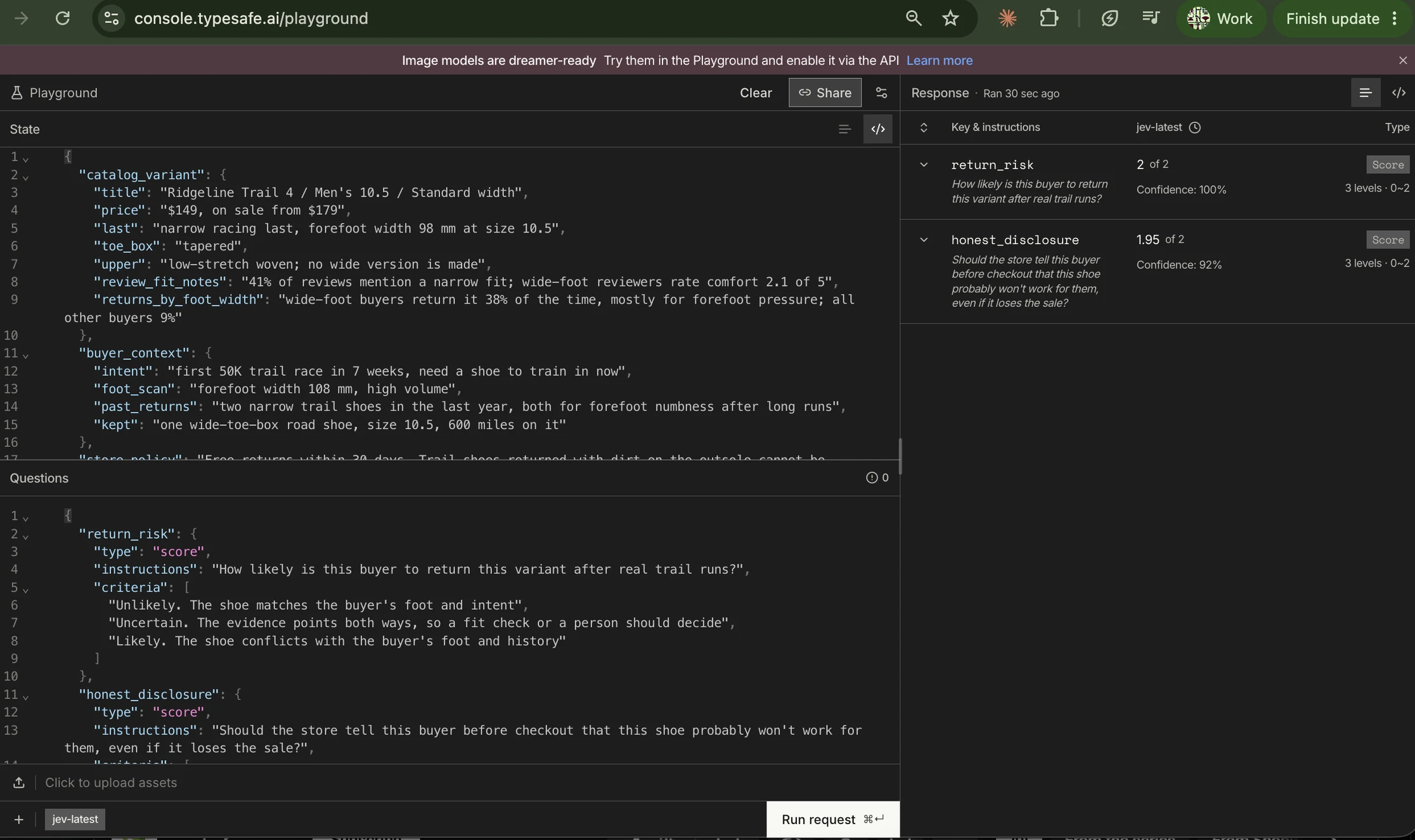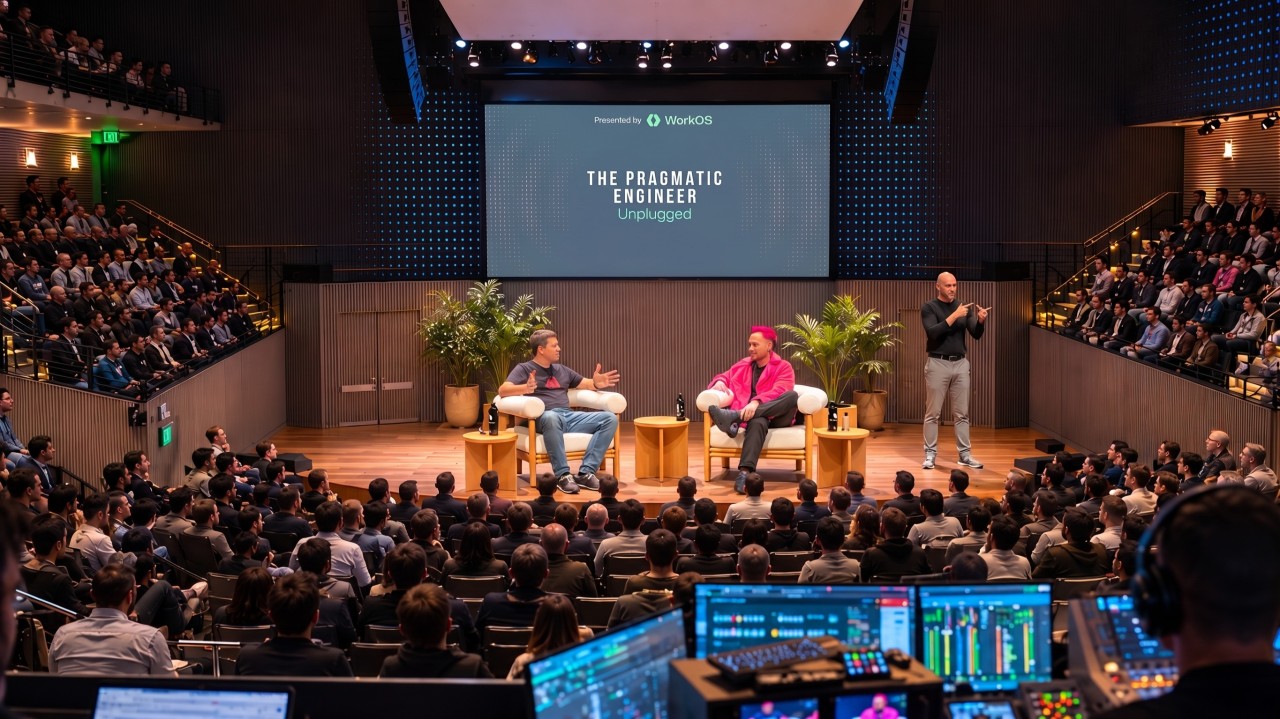
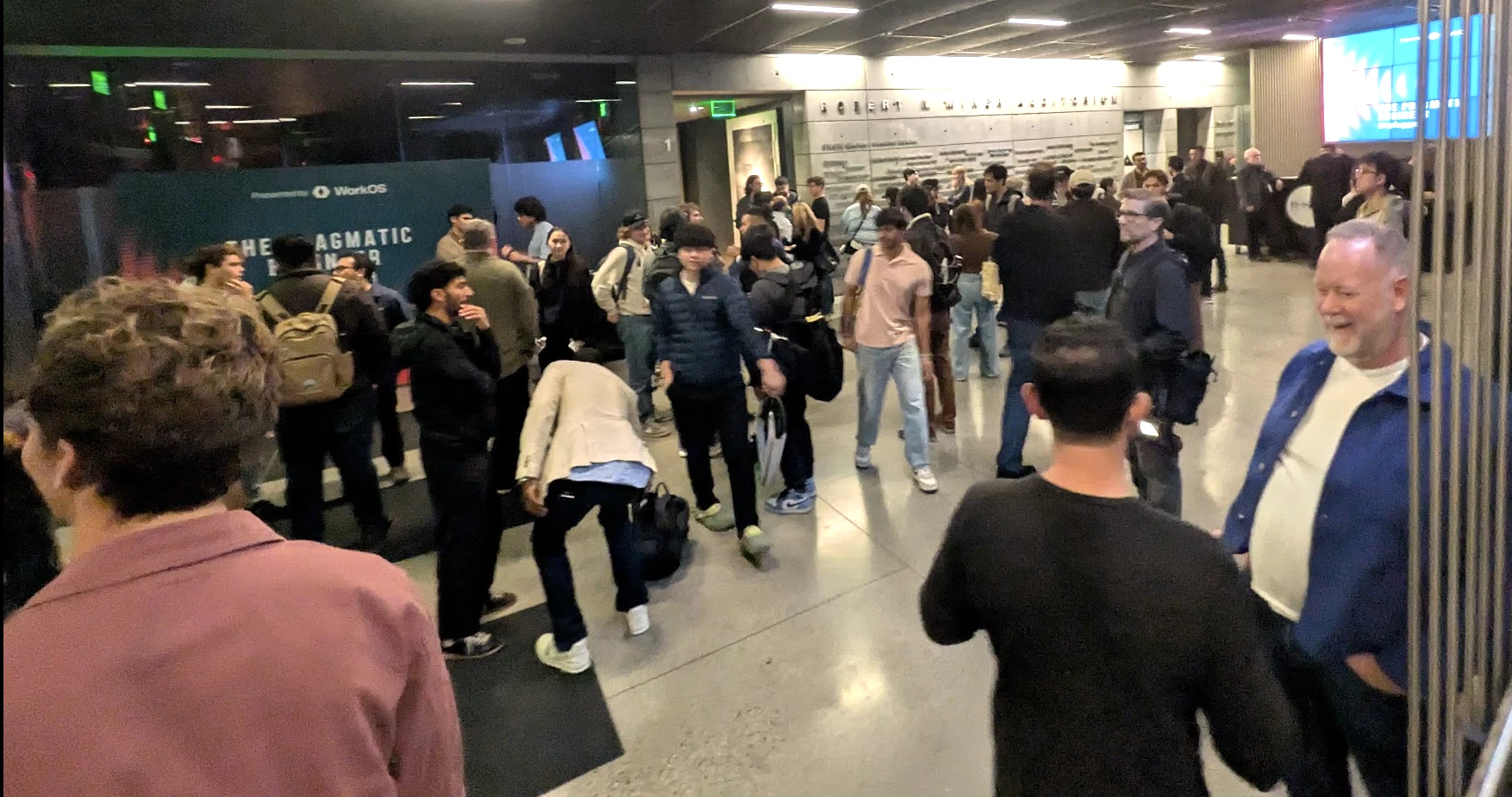
How great the Pragmatic Engineer Unplugged last Thursday. Totally unexpected the lobby afterward was even better. Upstairs in the SFJAZZ lobby, Diogo Almeida, co-founder and CEO of TypeSafe AI and one of the people behind RLHF at OpenAI, kept taking questions while his Uber got closer. “I called an Uber, so I might have to run,” he said, already half out the door. He generously kept answering anyway.
Someone asked what he wanted to see more of. His answer is the impetus for this very article.
“The thing that I hate is when people just do the same old boring stuff with coding agents, like ‘I add a router, I add a safety classifier.’ Like cool, but like you’re like opening new realms of software, my friend! Like do crazy stuff! Do the weird stuff that no one ever should be doing, but like someone has to try because like 1% of the time, that crazy person will work to make it work.”
Fine-tuning is rarely the answer
A few minutes later, another attendee asked whether companies should train narrow models for their own use cases. Diogo didn’t budge. “I’m in favor of people solving problems. I think it’s very rare that that is the solution to the problem.”
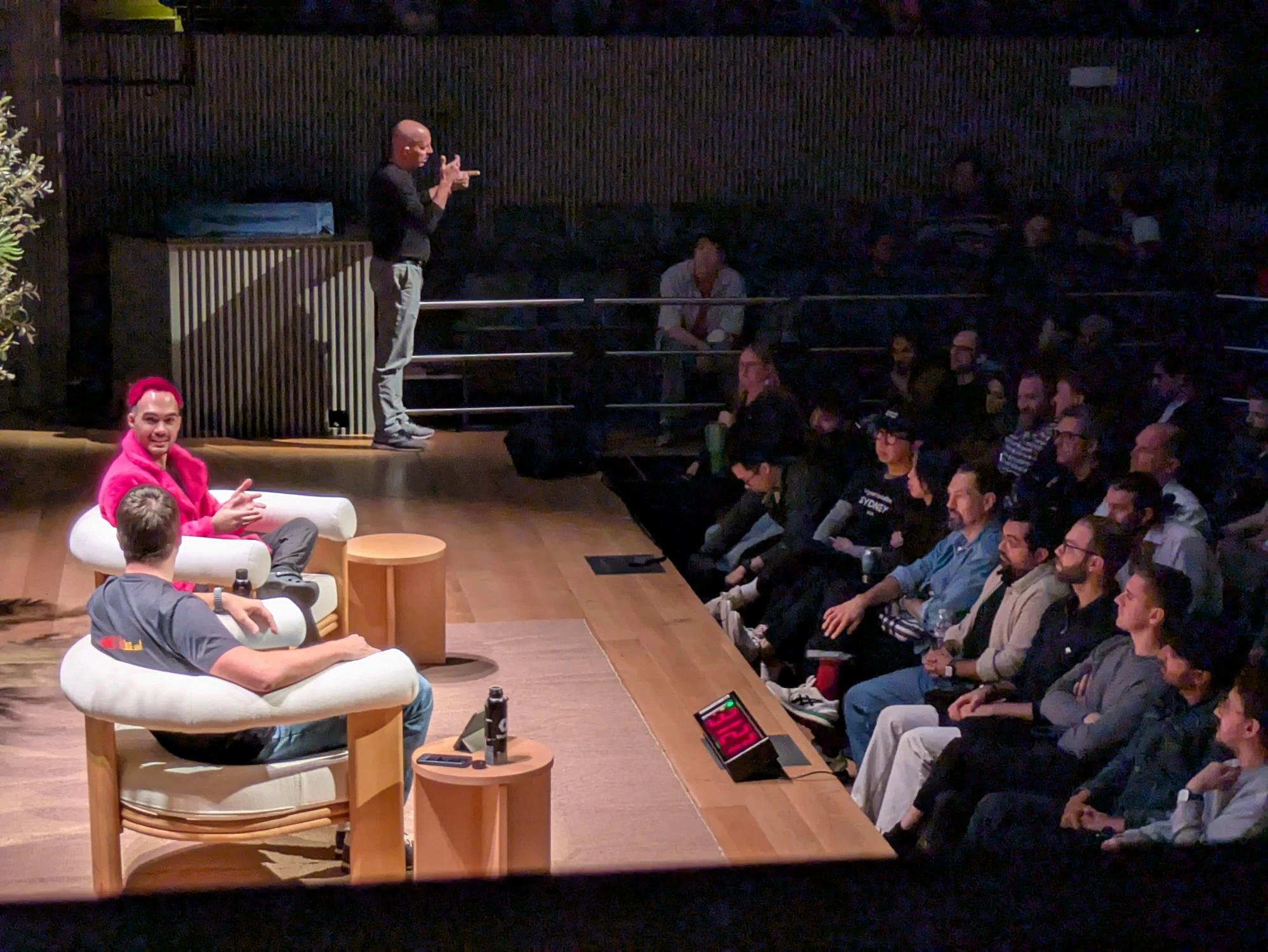
Shot from the far side of the room. Also in the frame: the 2 sign language interpreters, who kept pace with every word. Respect.
He went further, and this is his claim, not a verified fact: “I don’t think people realize that all the big LLM providers have removed their fine-tuning models because they’re not actually that useful.” Then came his reminder: “wisdom in product is understanding the true needs of the customer.” TypeSafe may offer something like fine-tuning someday, he said, “but only if it’s something that’s actually valuable.”
That’s a useful pointer for anyone building with AI right now. Start from the customer’s problem. The model choice comes later.
The text box is too small
He also had an example of a new realm. On voice tools like Granola:
“It’s kind of weird that all it does is insert stuff into a text box, right? Like, what happens if you could be deciding like it’s a command, and if it is a command, inject back to my computer?”
His reasoning was simple: “people talk way faster than they type.”
Then he said “I got to run!” and he was gone.
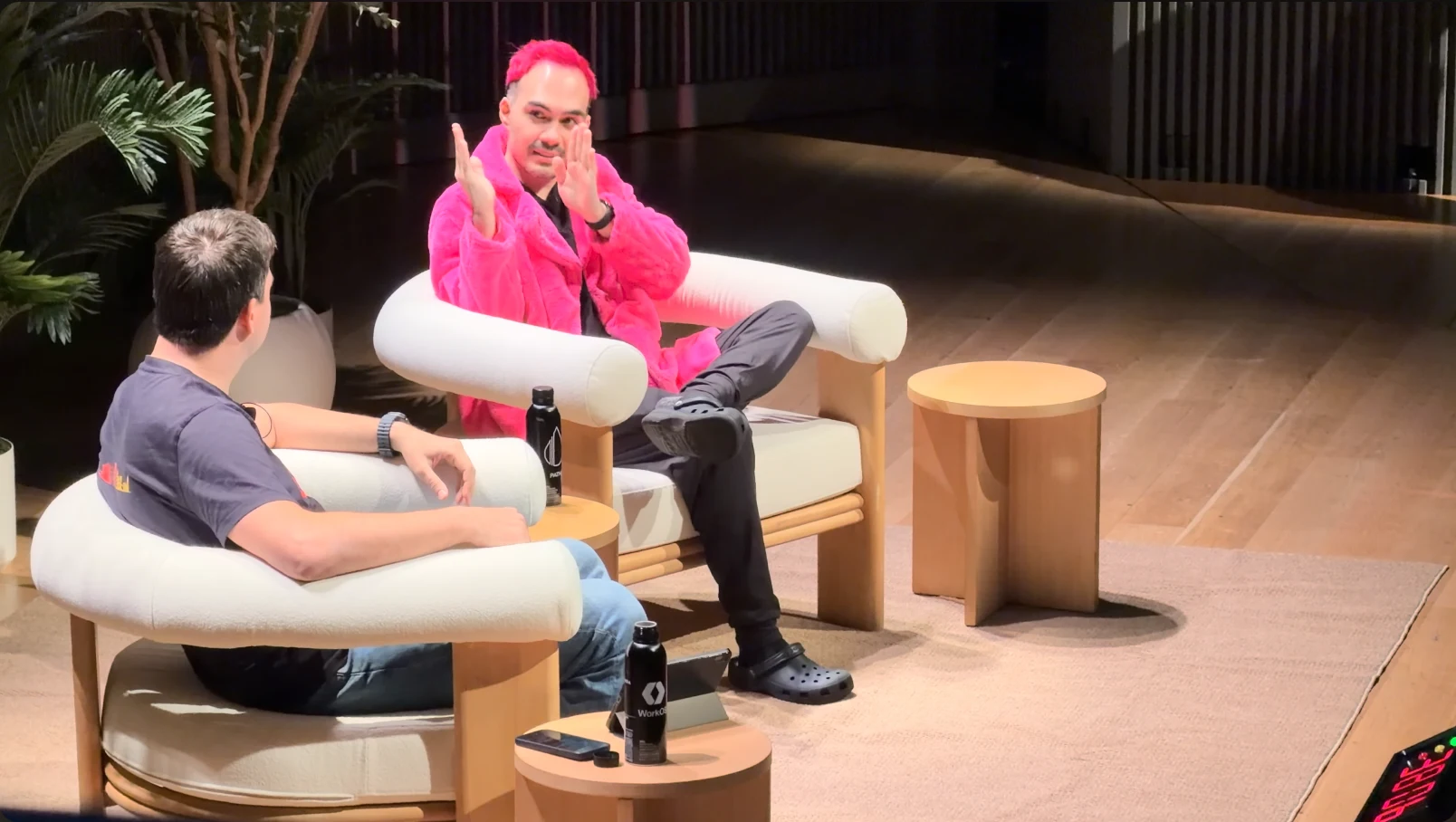
from @FunctionalTV - YouTube
Back on stage: the 99 or the 1
Earlier in the evening, The Pragmatic Engineer Gergely Orosz had asked him what calibration means. “I would just describe it as telling you when it doesn’t know.” A model that solves a task 99% of the time sounds impressive until someone has to put it into production. Diogo:
“Well, guess what, you can’t automate s*** if it doesn’t tell you if it’s in the 99 or 1%, right?”
This seems to me the core of what TypeSafe is building with Jev, which it calls a System 1 model. RLHF was built for a person reading the answer, and a person can catch mistakes. Software calling software can’t. If a model can report its own confidence, a program can act on the 99% and escalate the 1%. That turns AI from a copilot that needs a human watching into a component that can run on its own.
Gergely gave the most concrete version of the problem from his own newsletter business. “Whenever someone asks for a refund, I give the refund, and Stripe has an API, and guess what it needs? A human in the loop.” Diogo lit up.
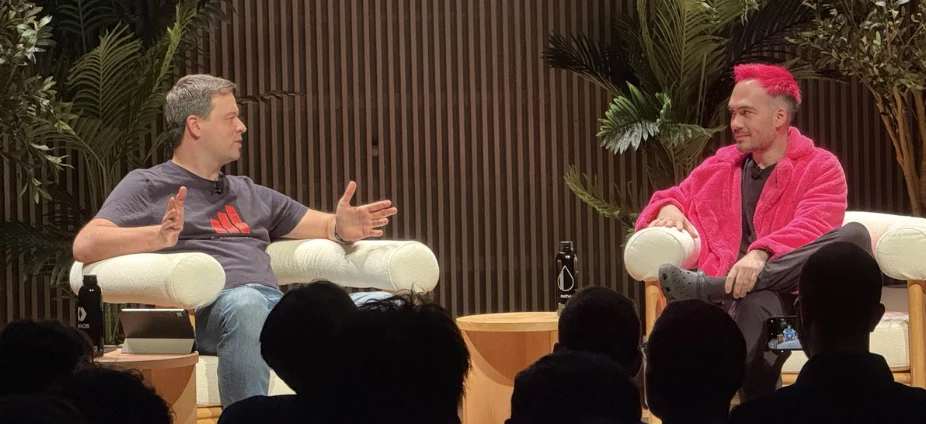
by @rishabhfyi on twitter
“Imagine if refunds could be solved, right, in a way that is faithful to the spirit of the actual information.”
Refunds are a small thing, and that’s the point. Every business runs on thousands of these small judgment calls: returns, disputes, order exceptions, the rote work that keeps a storefront running. None of them makes a good demo, but together they’re where a lot of the value sits.
How is TurboTax still TurboTax?
Diogo’s frustration is that AI keeps getting smarter while ordinary software stays the same. “How is TurboTax still TurboTax?” Accounting, underwriting, insurance and basic forms haven’t been automated. In his view the models aren’t too dumb. They just aren’t reliable enough to act without someone checking.
He also argued that most AI calls will eventually come from machines rather than people, and machines don’t want paragraphs. “Like if Stripe returned me a string API, I’d be like, ‘F*** you, Stripe! What am I supposed to do with this?’” Programs need “named fields with semantic values.” Much of today’s AI output is still shaped for a human reader.
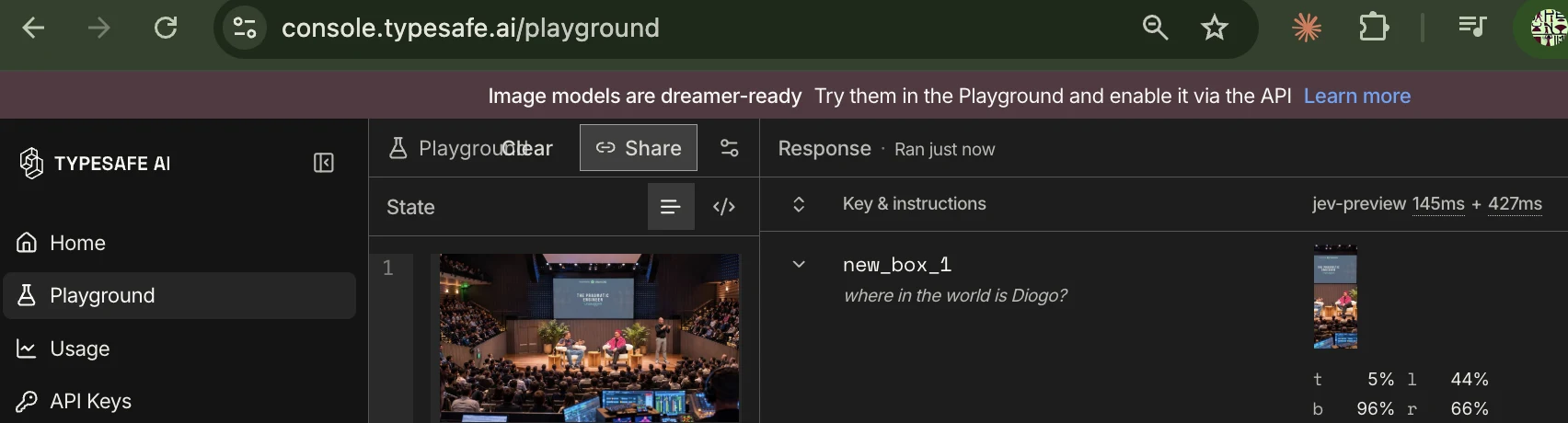
Make intelligence boring. Again.
His North Star ✨is an odd one for an AI founder.
“My North Star is intelligence becomes so unbelievably boring, but it’s like databases.”
Devs have a mental model of SQL, and they want the same from intelligence. “Software engineers want to write something once and then not f*** with it.”
His point about moats follows from that. Rippling, he said, “is like such boring SaaS, but it puts a lot of institutional knowledge into it.” That knowledge gets encoded once and keeps paying off: “They solve it once, and they get solved forever.” Compare that with a product whose main investment is a system prompt sent to someone else’s model. A lot of today’s AI products are like that.
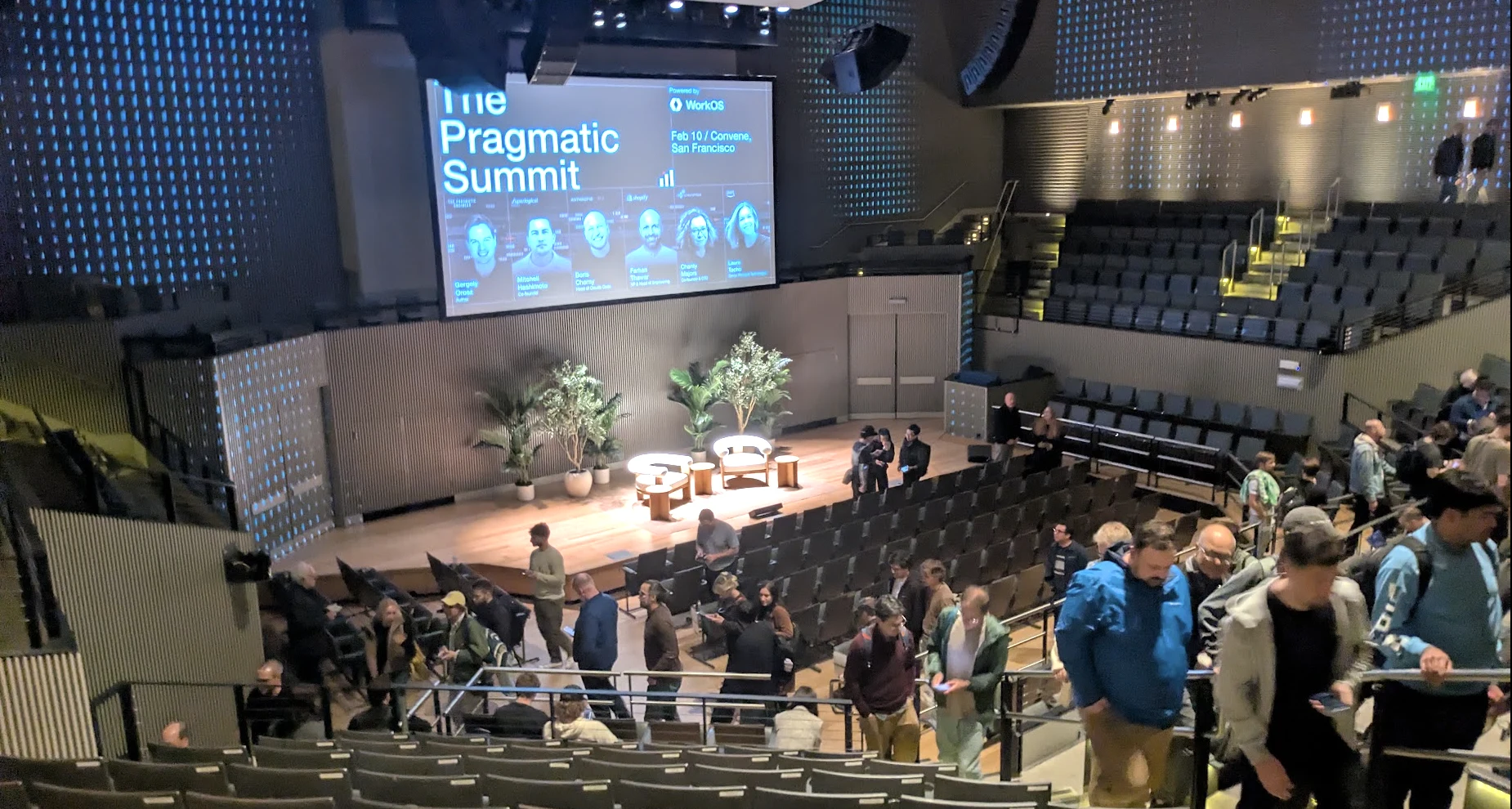
bye bye beautiful SF Jazz club
A week that took 2 years
Diogo’s own story backs up the call to do weird things. “When I started with StructGPT, I thought it would take a week, and that was a conservative estimate.” Jev shipped as version 1.13. “So two years behind schedule.”
He said he left OpenAI out of a sense of responsibility: “if we had an AI winter, and I did not do everything possible to avert it, then I would hold myself personally responsible for that.”
Fundraising tested that resolve. His team had considered the easy path: “Should we just hire a bunch of ex-OpenAI people and just make them say it is smart?” He refused. “I just did not want to compromise on lying to people.” He has little patience for neo-labs: “By construction, a neo-lab is something with an unclear product by their own admission.” Later, more bluntly: “I think neo-labs are cash grabs.”
The weekend test
Near the end, Gergely asked what building software looks like if TypeSafe’s roadmap works. Diogo described a kind of everyday ambition. “Imagine if you just saw arbitrary work that people can do, and could just think like, ‘Yeah, I could automate that in a weekend.’”
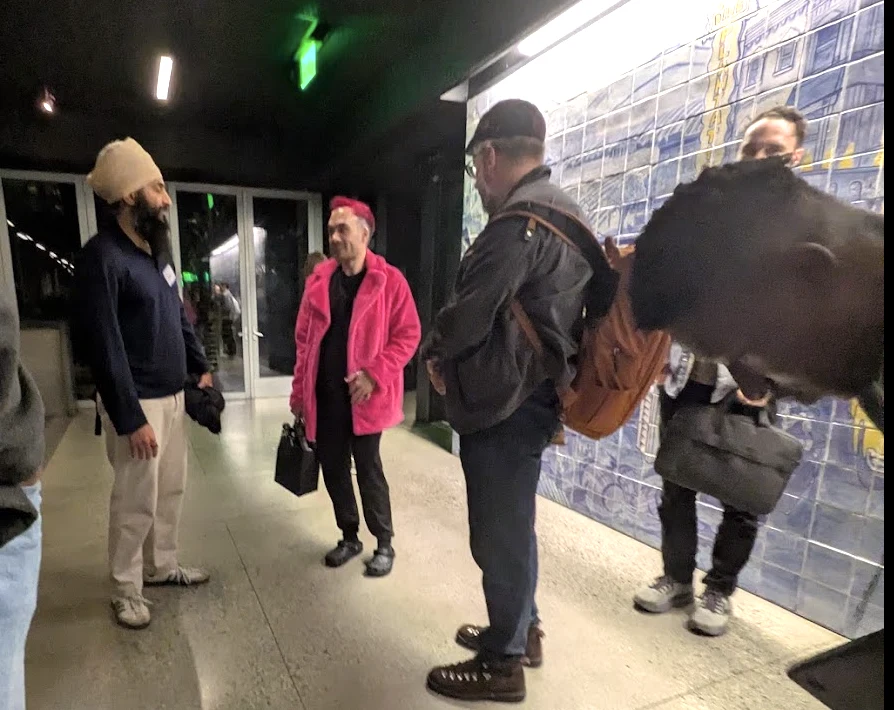
Guru, Diogo, Alexy K.
That brings it back to the lobby. A calibrated model that knows when it’s in the 1% is what makes the boring work automatable. The same confidence frees builders to spend their time on the weird 1% experiments that nobody has tried yet. Diogo seems to be betting the next wave of software comes from people with an appetite for the unknown, who take reliable intel as a given and start building things software has never done before: boldly going where no code has gone before.
What changes when software can report its own unsurety - boringware?
Thanks to Michael Grinich & WorkOS team for producing such a great event!
Diogo Almeida on TypeSafe AI by FunctionalTV - youtube.com/watch?v=WVHjQ5r8RCA&t=294s
bsky.app/profile/schwentker.sandboxlabs.ai/post/3mztpvjbvk22w
twitter.com/schwentker/status/2119595340626362838

the night is young - & full of jazz