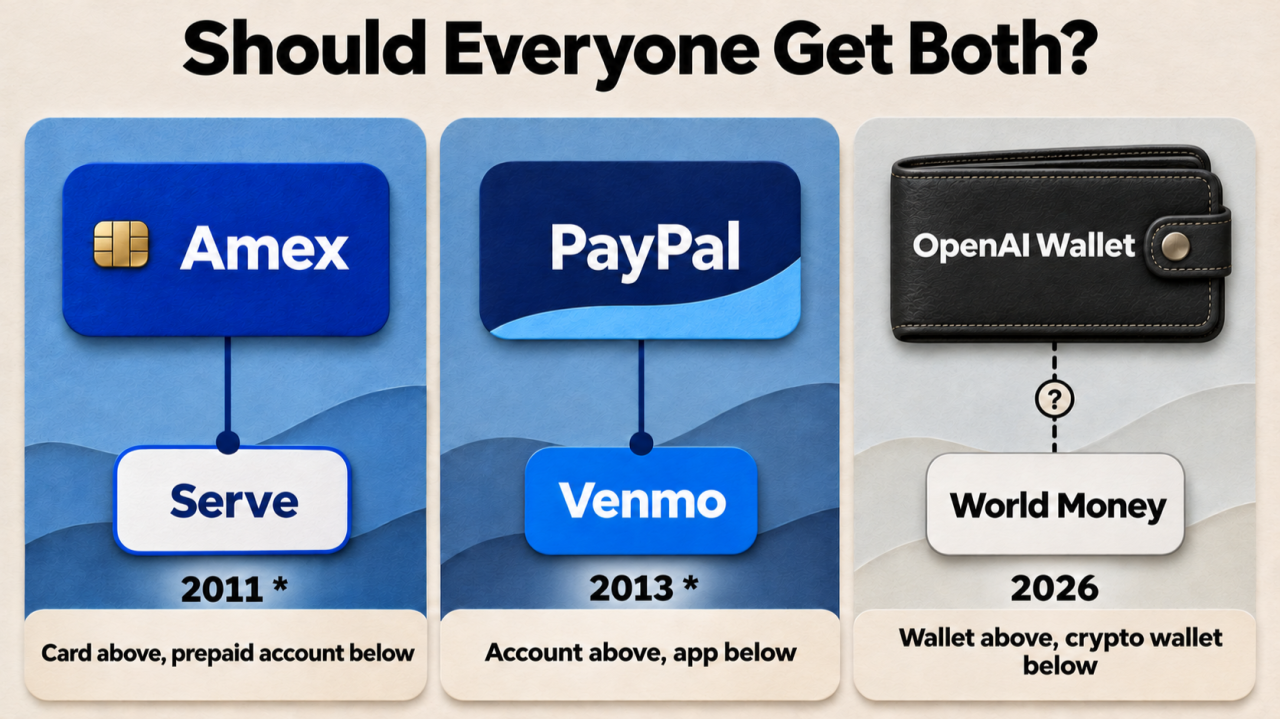
Now OpenAI has its own version of that question.
Part 2 of ChatGPT Tries Checkout Again
A question I’ve been mulling over since ChatGPT Wallet launched last week. OpenAI now has a wallet inside ChatGPT, built on card network tokens, initially through ChatGPT’s agents for U.S. Pro subscribers with eligible cards. World Money is a separate product: a self-custody wallet app from Tools for Humanity, the company Sam Altman co-founded and which is also known for its iris-scanning Orb. Nothing public says the two are connected. But if they ever were, a question may follow: Should every ChatGPT user get a World wallet? Should every World user get a ChatGPT wallet?
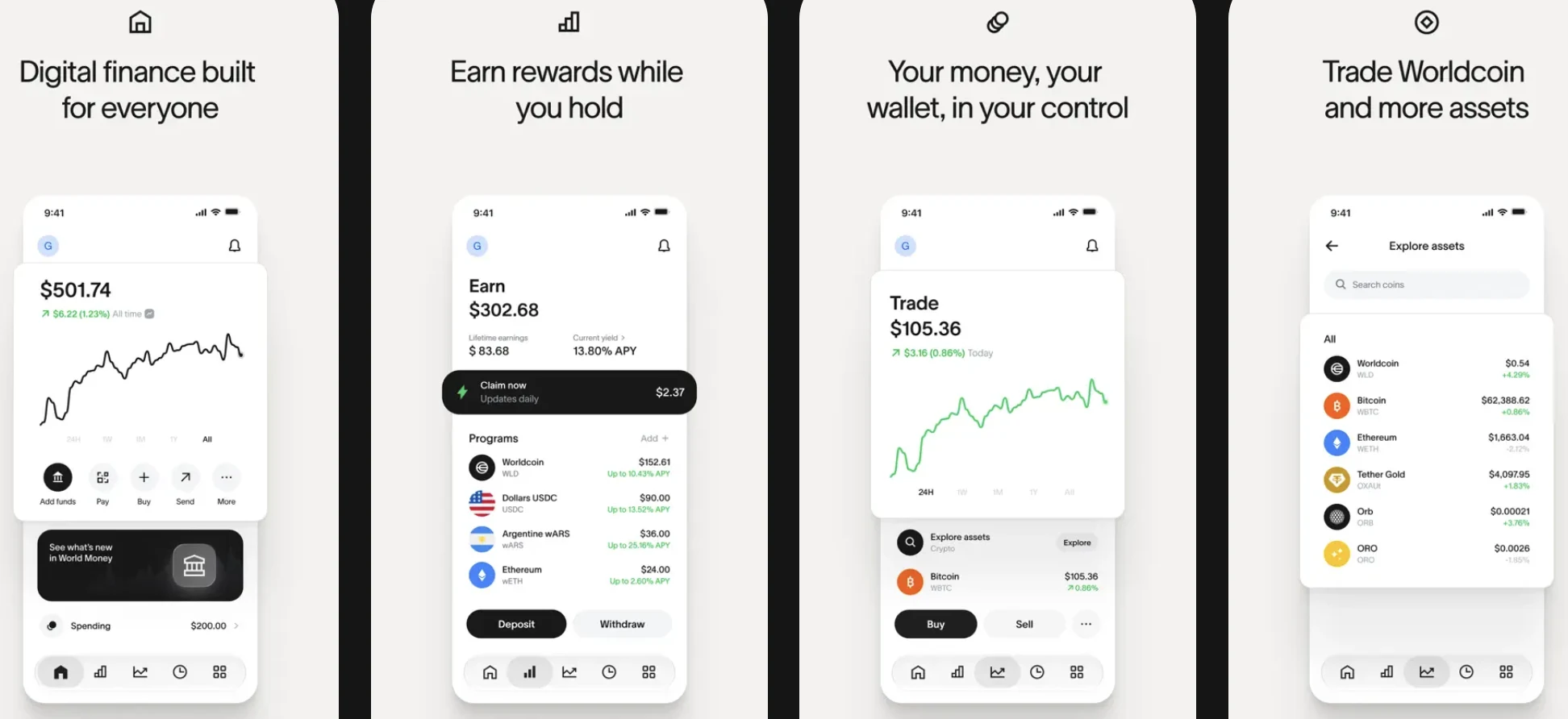
World Money - Digital Wallet
I doubt anyone has the answer yet. I have some history with the question, from two companies that grappled with their own versions of it; and from an evening at SFJAZZ in San Francisco on September 8 that brought it back.
Amex, and a bet on being open
As I remember it, Amex bought Revolution Money to compete with PayPal, and the effort grew into Serve. American Express had been an exclusive brand for decades. The plan was to become, slowly, an inclusive one, and Serve was part of that roadmap. A key audience was people who might not even have a bank account. Another was developers. Paradoxically, they were an audience Amex wanted, then wasn’t sure it could trust. The thought of hackers building crowdfunding platforms on Serve was the beginning of the end for the developer platform. The Serve APIs were never put into production.
That raised hard questions, and I heard some of the discussions. Should every cardmember get Serve? Should every Serve customer get credit? Offering credit to people with no bank account looked risky for the balance sheet and for the brand. There were also ideas about giving some groups credit, some groups Serve, and cross-selling and offers in between.
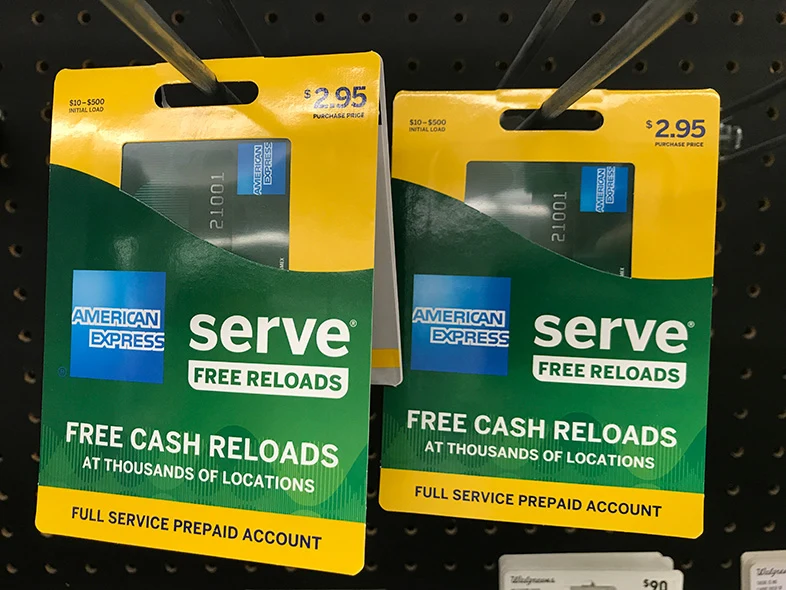
Dan Schulman ran Enterprise Growth, a new division, and Serve sat inside it. In hindsight, prepaid may have fit better alongside the company’s other prepaid cards. The unit was eventually closed. In June 2026, Amex discontinued the Serve American Express prepaid accounts, and the page on serve.com gave one more date: September 8, the last day to log in and view old transactions and statements. Serve itself carried on, and its site now sells Visa debit cards. Dan Schulman went on to PayPal.
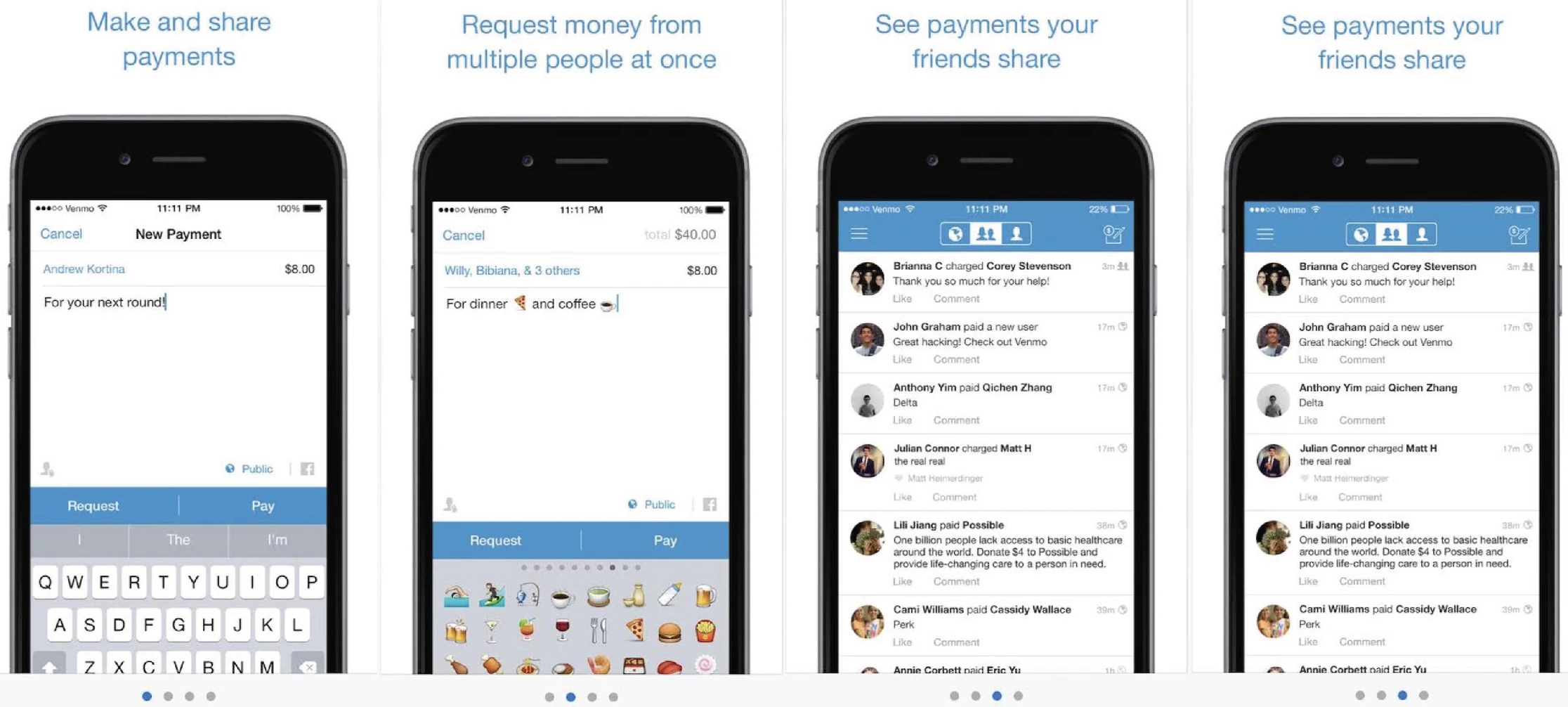
Venmo
I was in New York at Venmo’s headquarters right after the deal. The mood was trepidation. People wondered what becoming PayPal employees would mean, starting with the new HR system and the healthcare plans. The bigger question was strategic, and it sounded a lot like the one at Amex. How would Venmo fit into PayPal, and PayPal into Venmo? Would every PayPal customer become a Venmo customer, and the reverse?
On a slide, merging them made sense. In practice, PayPal lived at the checkout page, and Venmo lived among friends. It served a much narrower crowd and was extremely social. You could type anything next to a payment, and people did.
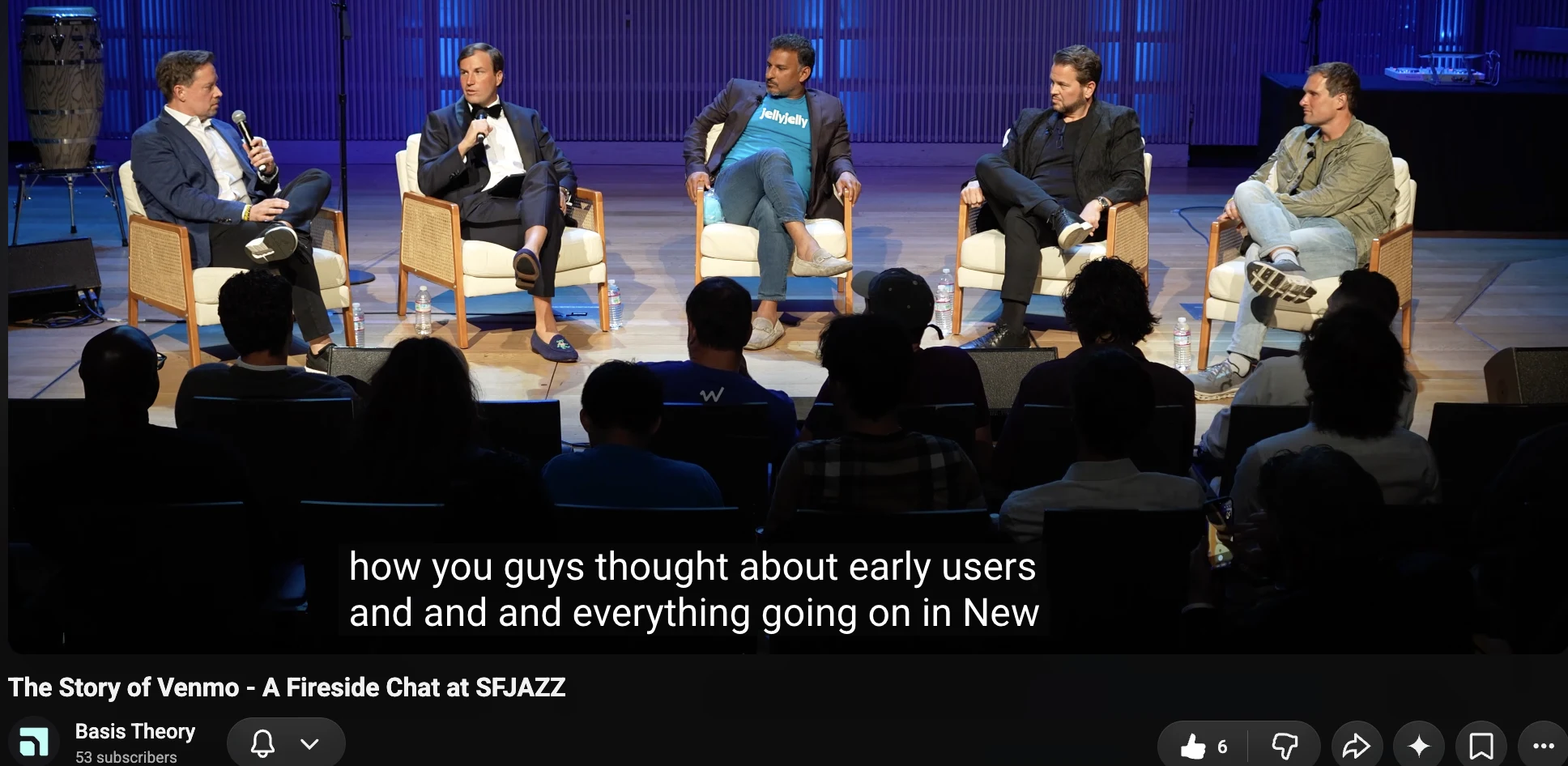
At a fireside conversation with the early Venmo team at SFJAZZ on September 8, Bill Ready, a former CEO of Braintree and Venmo, said he didn’t love the feed when he first saw it. He saw “so many ways this could go wrong,” and he said it nearly died a thousand times, with an FTC settlement along the way. The founders won him over by showing him the conversations already happening among a few thousand users. His verdict: “while it was polarizing, it was the defining feature of the app.”
The moderator, Colin Luce, framed the story as a product “so good it couldn’t die, but the social feed almost killed it.” He also joked about the compliance headaches once Venmo sat inside PayPal: a note about a lost bet or a Cuban sandwich, and suddenly a risk team has questions.
Venmo kept its own app and its own users.
The feature that disappeared
Venmo once had a feature called Trust. But it’s long gone. Colin described how it worked. If you opted into “I trust you, Dave,” you gave Dave more than the ability to receive payments from you. He could pull funds out of your account.
Dave Morin said it started with a familiar annoyance: after splitting a cab or a dinner, getting paid back was hard. Sam Lessin added that the person most eager to be repaid is the one who put a credit card down, so why not let that person grab the money from friends they trust? He also saw a path to lending. In a post he wrote years later, he described a financial trust graph, as opposed to a social graph, where you would only trust people you truly believe in because your own money was at stake. He still called it the greatest missed startup opportunity.
iqram magdon-ismail 🪼 remembered it more personally. He trusted a friend, and the friend immediately pulled 400 bucks from his account, which put him into debt. They had built it to work exactly that way, he said. Dave told of an early user, a Facebook co-founder, who trusted everyone. According to the panel, no one did anything crazy.
Sam later wrote that Venmo had to allow Trust loans to be reversed. The wrong pull at the wrong time could bounce a friend’s check or miss rent. But a loan you can reverse after agreeing to it weakens the signal of trusting someone in the first place.
The feature, in Colin’s words, “sadly no longer exists, probably for good reason.” It showed how useful it could be to let someone else move your money, and how risky that permission could become without clear limits.
What carries over
The Amex and PayPal stories raised similar questions and ended differently. One company tried to open an exclusive brand to more people. The other bought a product whose identity came from how its customers used it. The American Express version of Serve disappeared, and the brand moved to Visa. Venmo lasted inside PayPal. Both suggest that owning the money relationship does not mean every customer wants the same wallet.
In part one, I listed a few numbers to watch: how many people turn Wallet on, how many purchases finish, how many come back, and how often purchases are disputed. History suggests one more: how many people end up holding a second wallet, and why.
An agent is not a friend, but it raises an old question about trust at a very different speed. ChatGPT Wallet answers part of it with a payment token issued after each purchase approval, and OpenAI expects to add preapproved purchases within limits over time. When an agent can reach more than one wallet, someone has to decide which one it may use, under what limits, and who can take that permission back. Trust shows that delegated financial authority is useful and risky. Sam has since imagined rebuilding it on a blockchain, with rules attached such as interest rates or borrowing limits. It does not show that authority can move between networks or between independent agents. That part is still open.
The question I find most interesting: can authorization travel across agents and payment systems without exposing the underlying credentials?
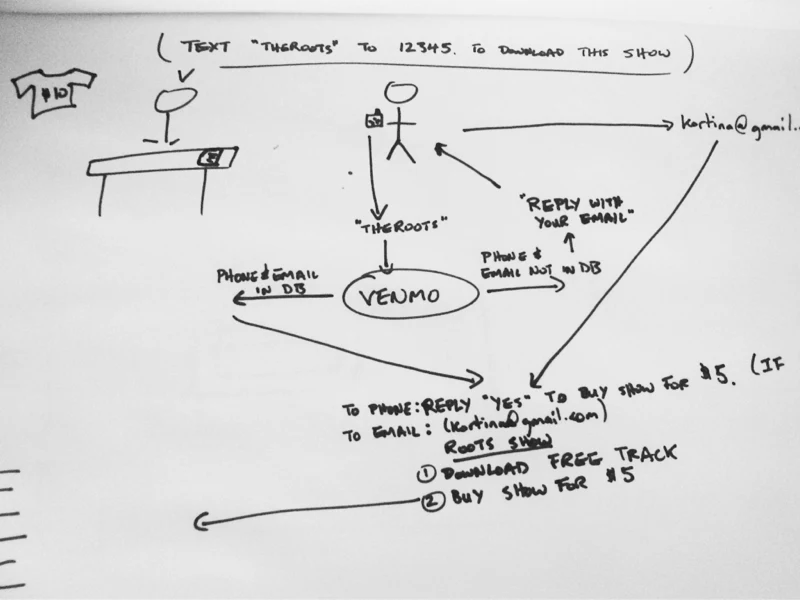
Venmo wireframe - circa 2009