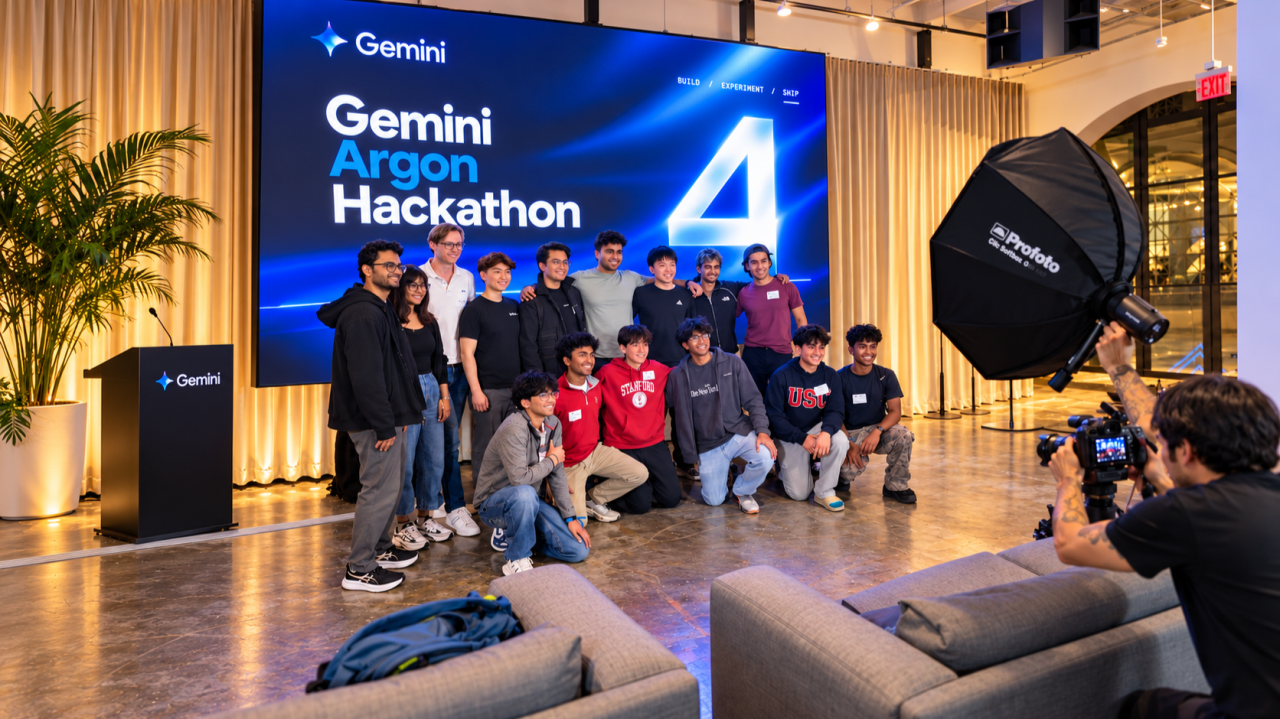
By the end of one day of building, 136 projects had been submitted at the Google DeepMind Gemini 4 Argon hackathon. The judges cut that to six. Each finalist got three minutes to present and two minutes of questions.
The six projects covered very different ground: a game engine, a wet lab, an optics bench, a legacy codebase, a cockpit and a robot dog. Listening to them back to back, two things stood out. Almost every team was building a world, not a chatbot. And almost every round of judges’ questions came back to the same thing: how do you know it works?
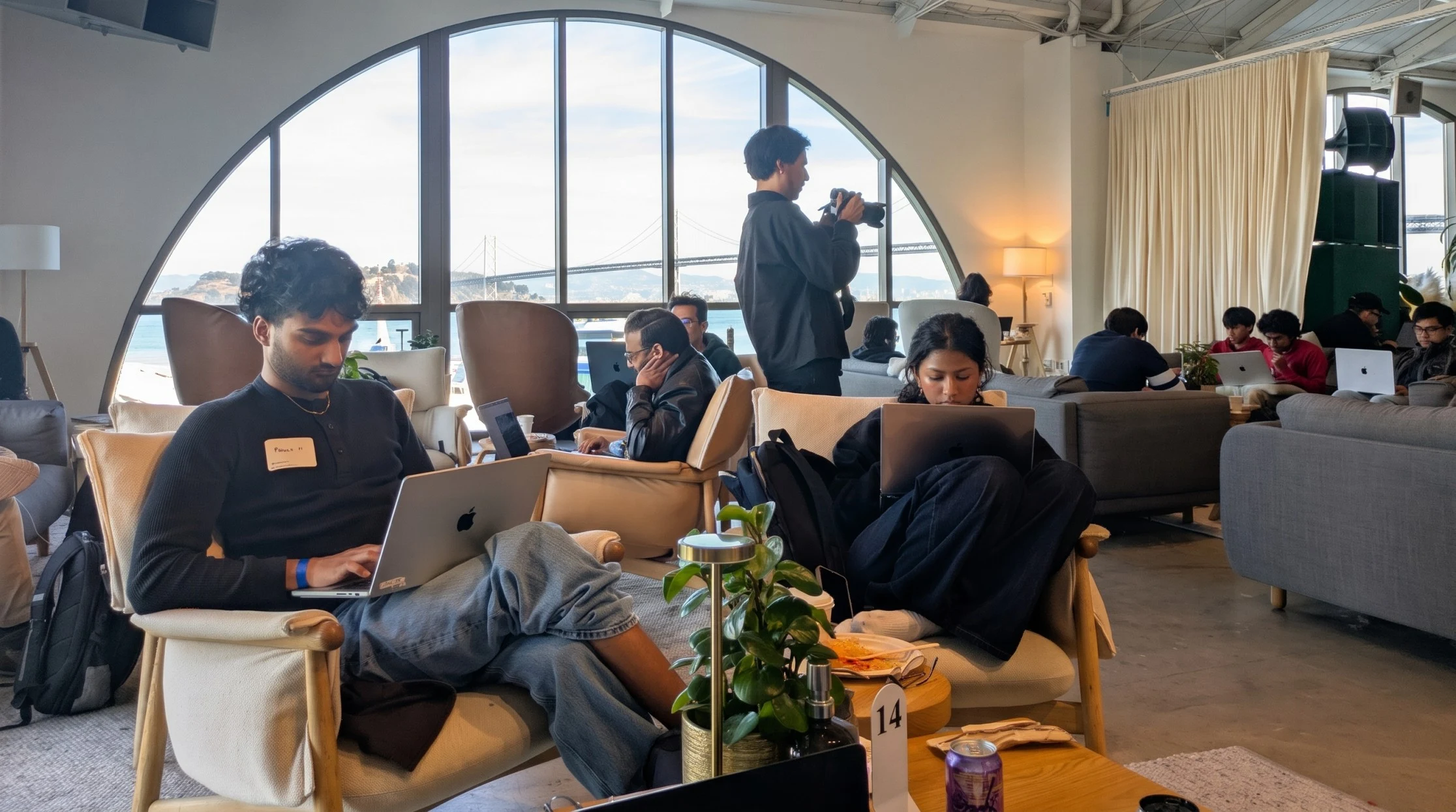
Author’s photo modified for article
The six finalists
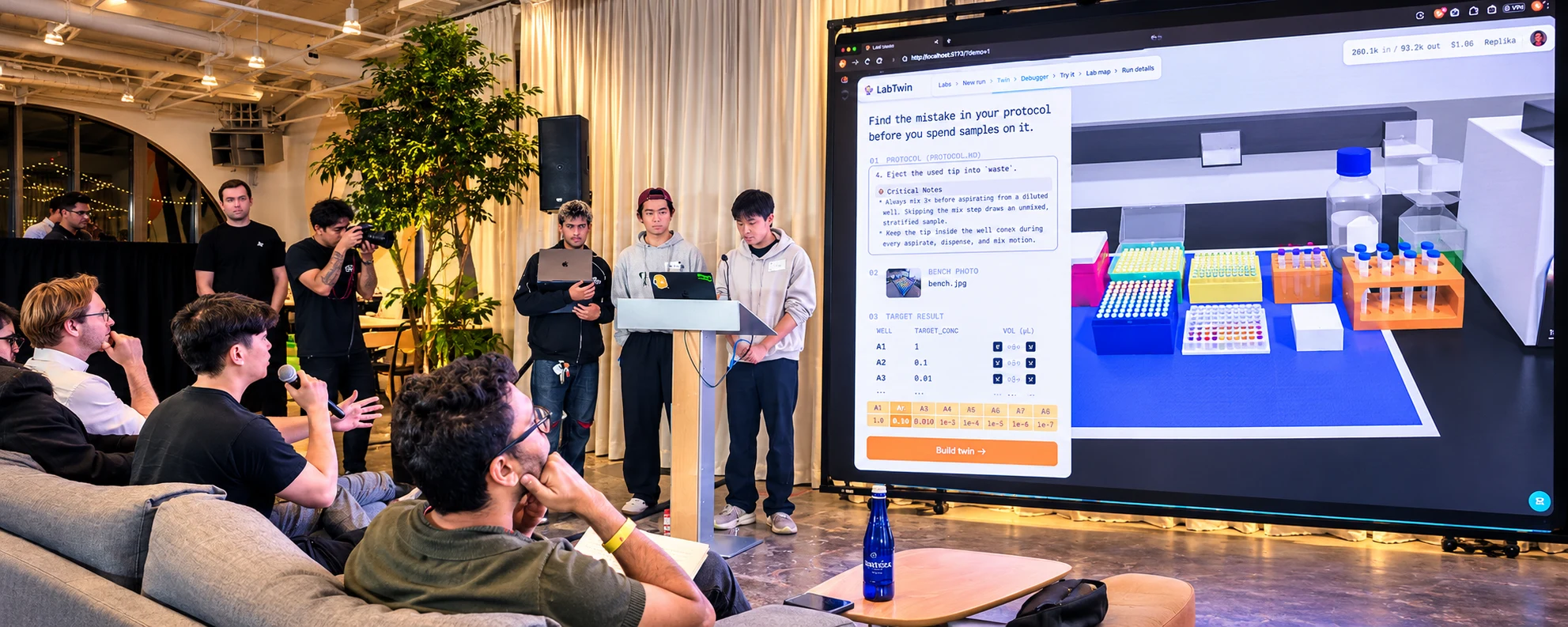
Polar Bears: LabTwin, digital twins for wet labs. First place [CONFIRM]. Built by UC Berkeley students, one of whom saw the problem in their own lab. One mistake in a protocol repeated hundreds of times can quietly ruin weeks of data. LabTwin turns a description or video of an experiment into a 3D virtual lab in OpenUSD, then runs the protocol in parallel sandboxes. It checks two things: does the procedure succeed, and does it hold up in a physics engine.
by Dhilen Mistry & team
Team Morf
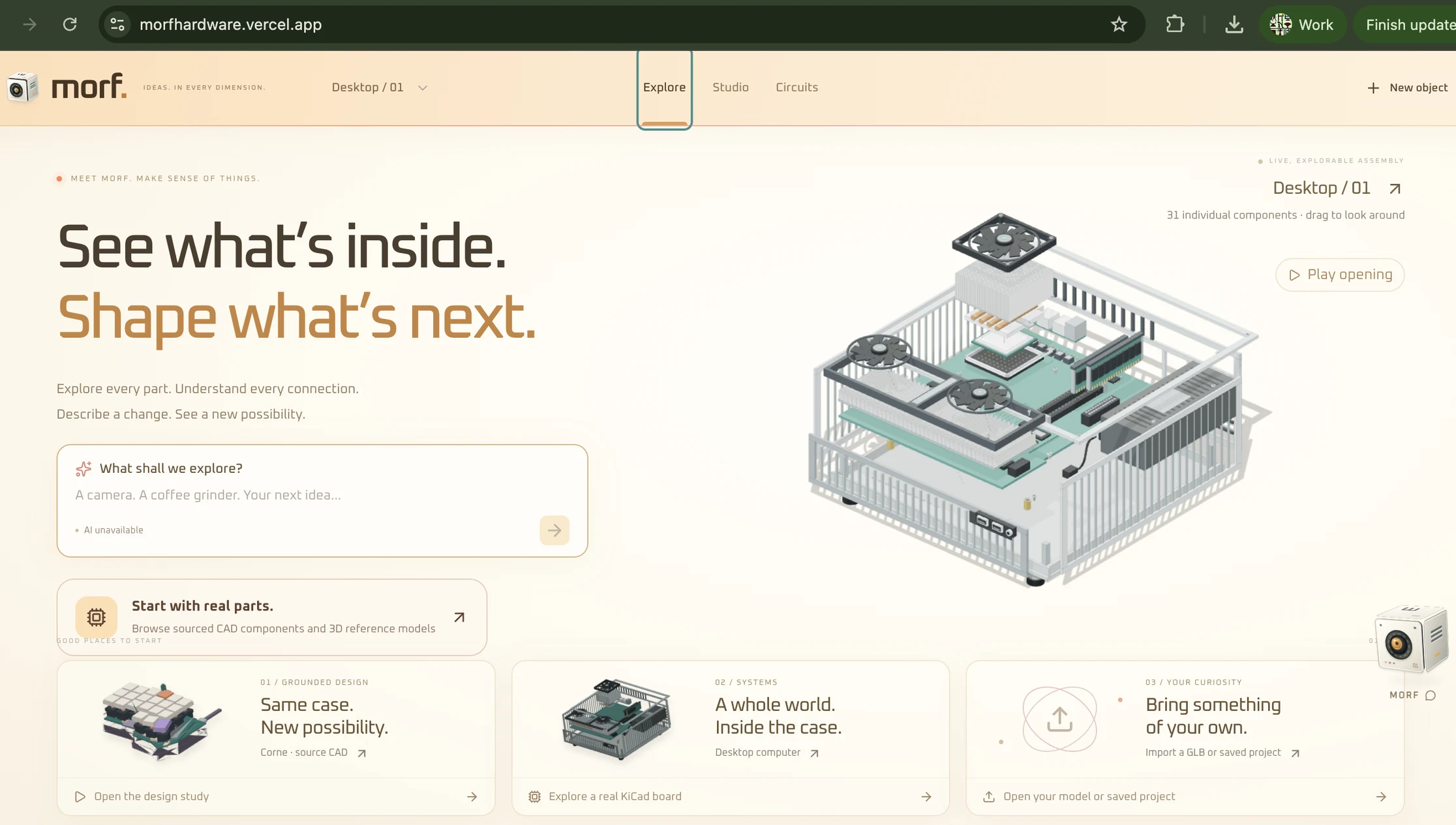
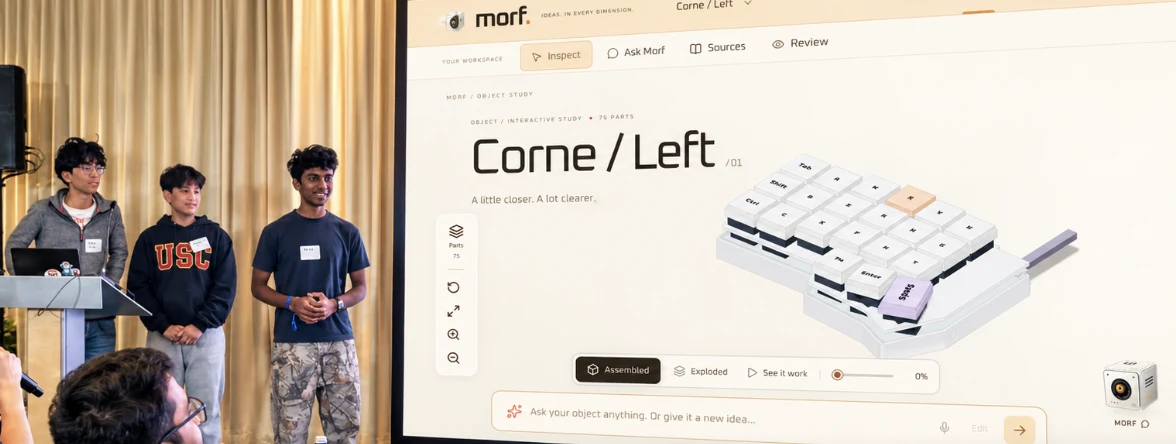
Morf: hardware you can talk to. Second place. Describe a device and Morf builds the CAD, pulls parts from large open libraries, checks supplier data, and runs collision checks so moving parts, like a robot dog’s legs, don’t hit each other. A judge called it one of the most beautiful interfaces they had seen. Then the judges tested it live and asked for a waterproof, 25-inch MacBook.
by Aradhya Mishra Kavish Poddar Shiva Narayana Raju Birudaraju
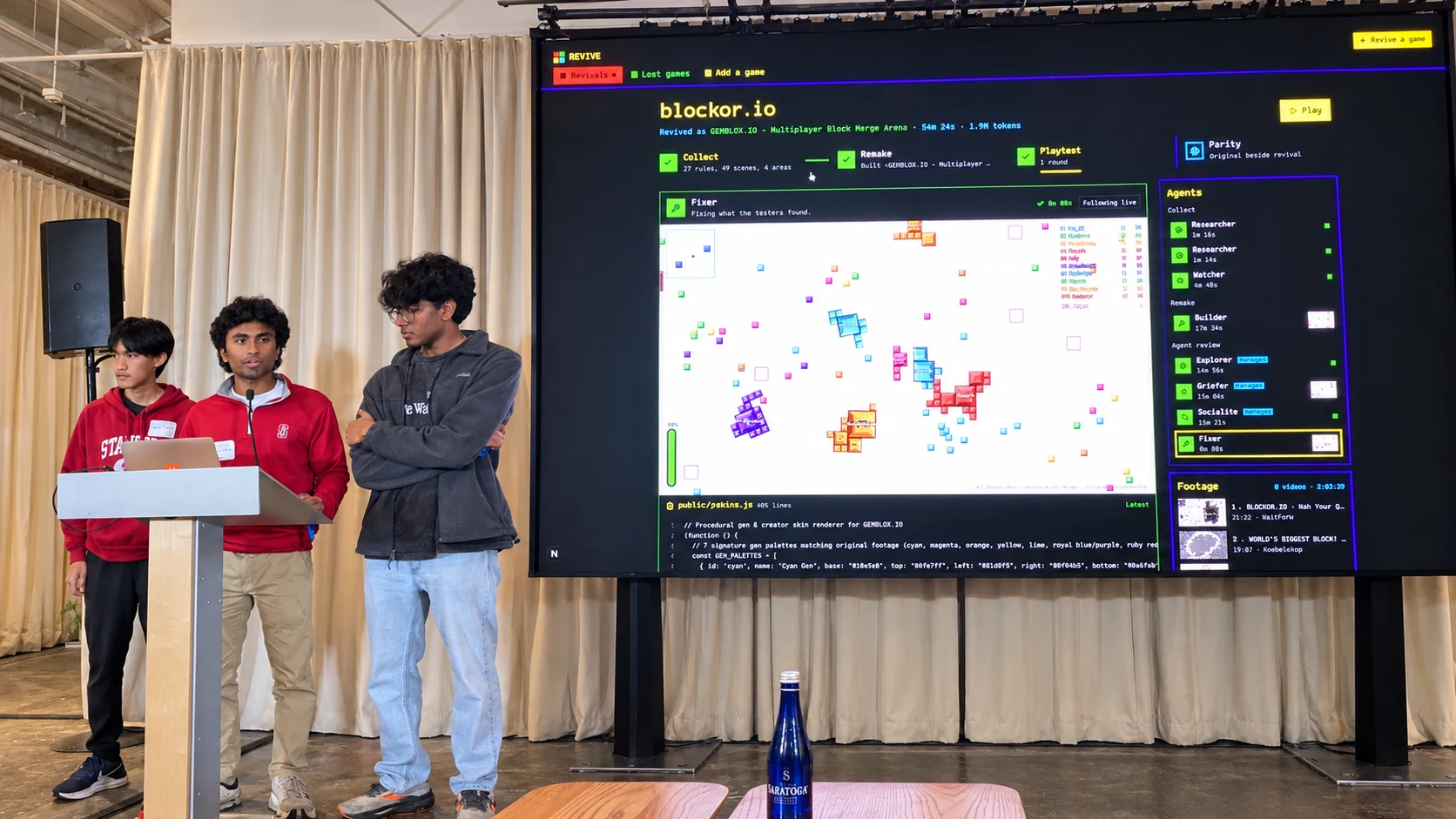
Team Blockor - demo: Revive - revive old games
Revive: legacy code, migrated without breaking it. Best Use of Managed Agents. Gemini agents read an old codebase and map its deprecated dependencies. They write the test harnesses first, then refactor step by step into modern frameworks. Each step has to pass the same tests, so the behavior stays the same while the code changes.
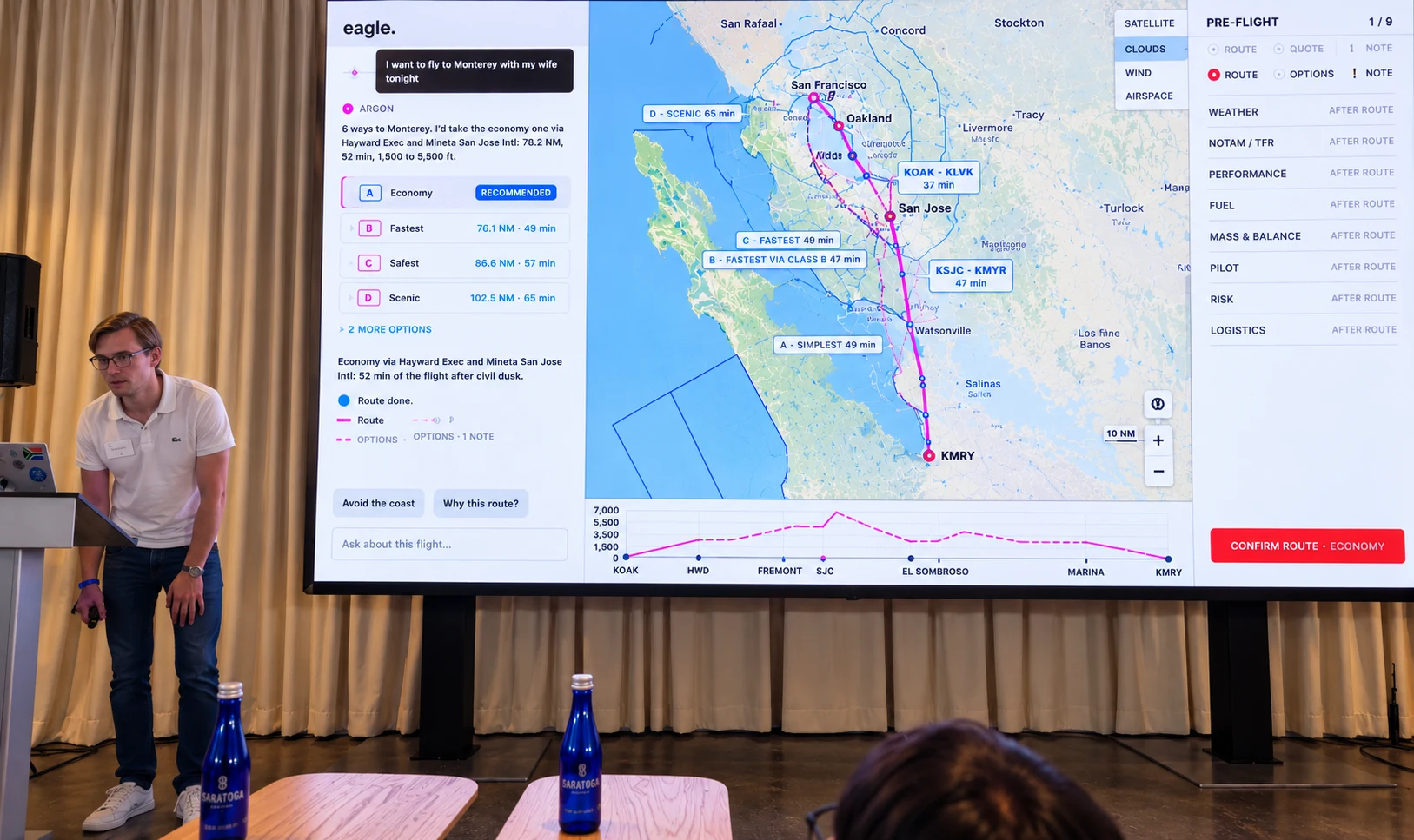
Team Eagle
Eagle: preflight planning for pilots. Third place. Presented by a private pilot who knows a one-hour flight to Monterey can mean five hours of planning on the ground. Say “Monterey with my wife and kids, leaving at 6 pm,” and the agent proposes the route and altitude, works out weight and balance, and pulls live FAA charts, NOTAMs and weather. The pilot stays in command, and the agent does the paperwork.
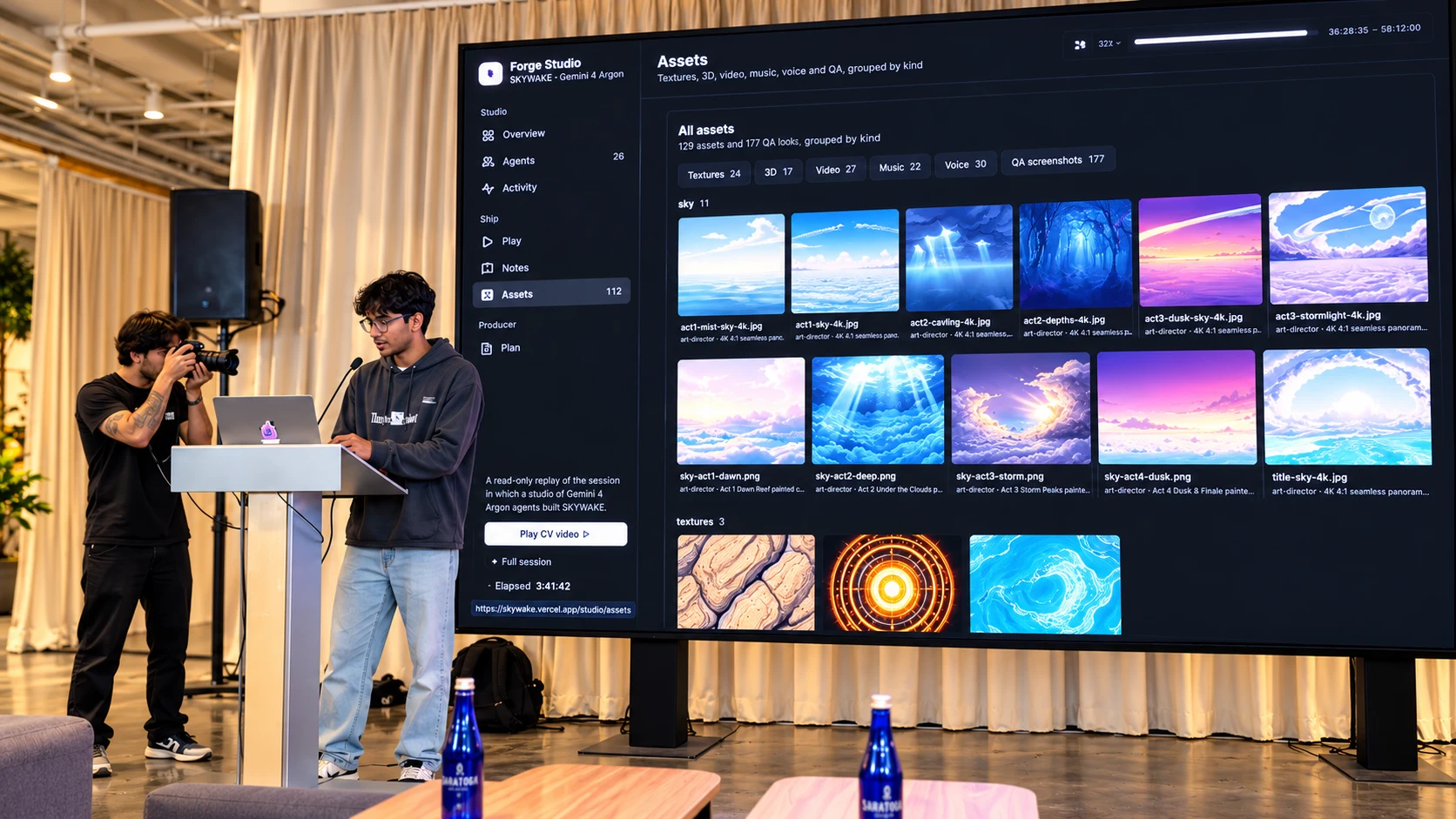
Aniket’s Team
Aniket’s Team: a multi-agent game engine. Honorable mention. One prompt in, a playable game out. More than 20 agents split the work, and an art director agent sets the direction for the agents writing the story and code and making the audio, music and UI. When a judge asked how it was verified, the answer was honest: visual QA was still done by hand. The team also shared a limit worth remembering: past about 30 agents, coordination becomes the bottleneck.
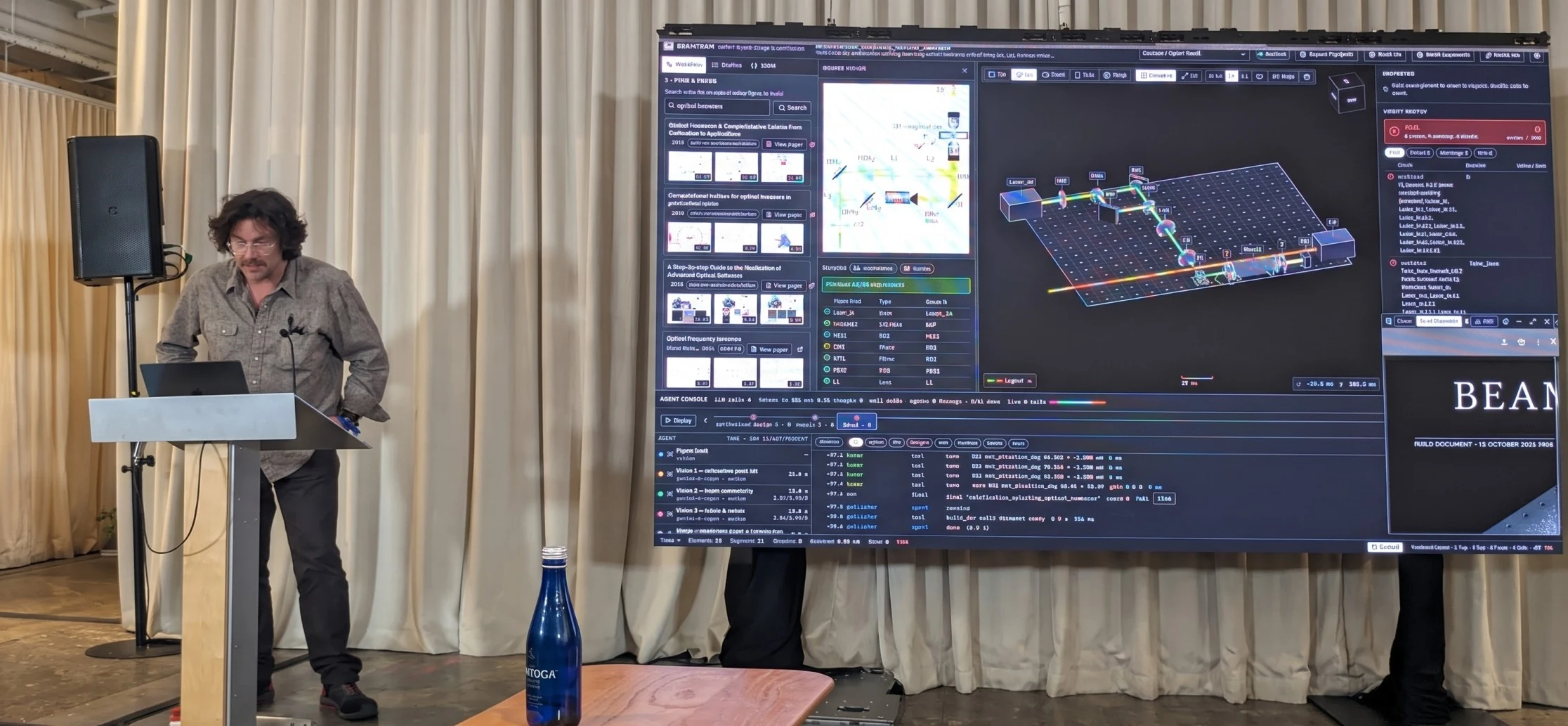
BEAMTEAM: from a figure in a paper to a working bench. A team of agents reads optical setups from papers and diagrams, with lasers, mounts and prisms, and produces the breadboard CAD layout, beam paths, bill of materials and assembly parameters. The goal is reproducible science: if a paper has a figure, someone should be able to build it.
The thread running through all six
Many people are building worlds. A game world, a virtual lab, an optics bench, a CAD model, a flight plan, a modern codebase. Argon’s long context and 3D strengths pulled teams toward work you can look at and move around in, not just read.
Multi-agent is now the default. Nearly every finalist split work across specialist agents with an orchestrator, from LabTwin’s scene agent to Aniket’s 20-plus agents. The open questions have moved from “can agents do this” to “how many before coordination breaks” and “who checks their work.”
Verification is the real product. “How did you verify it?” was the question that separated the demos. The strongest answers named something outside the model: a physics engine, a test harness that has to keep passing, a collision check, live FAA data. Some teams admitted they had simply checked their work by hand. No spin. It wasn’t a weakness. It was the most trustworthy thing said all afternoon.That last point is the one I’d carry into any agent project: let the model iterate, but keep something it can’t edit as the judge.
Thanks to team Cerebral Valley & judges: Ivan Leo Joana Carrasqueira Shudhatma Jain subhasmita sahoo Oskar Yao, CFA